Oh My Pi
Open-source terminal coding agent with IDE intelligence — LSP renames, live debugging, and 60+ AI providers under an MIT license.
Open source alternative to:


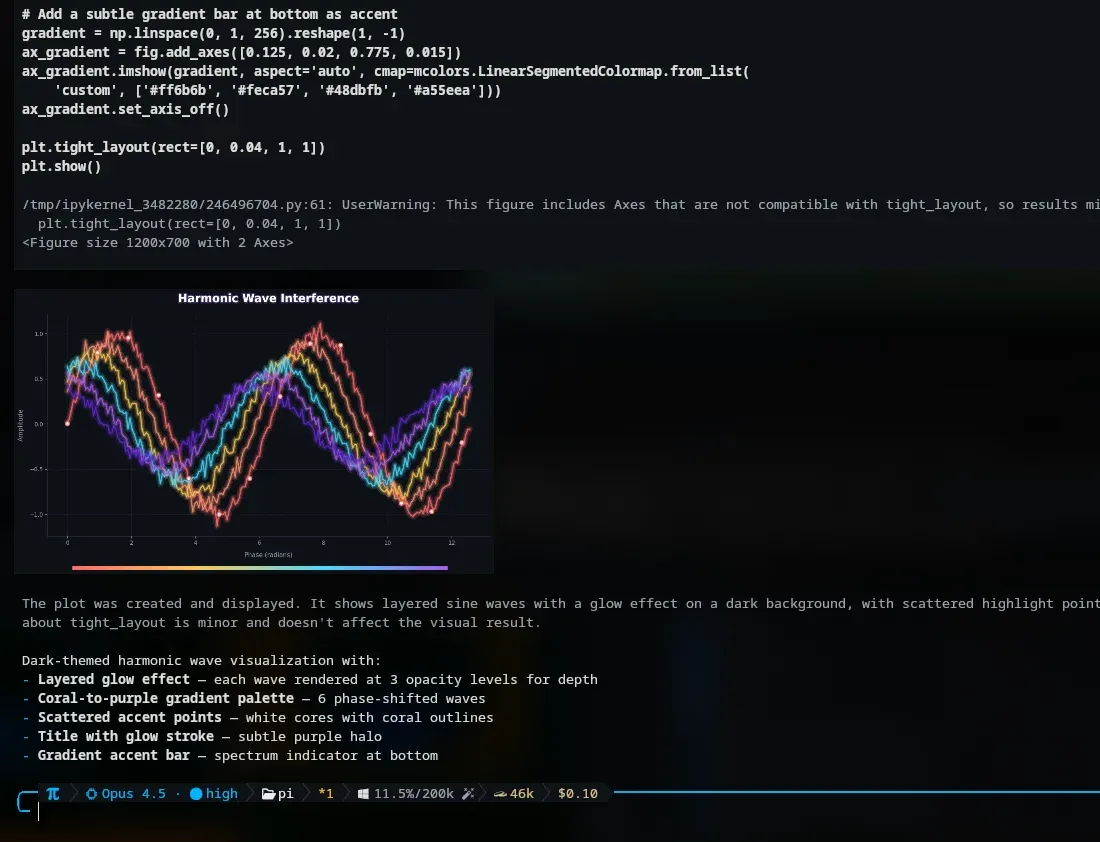
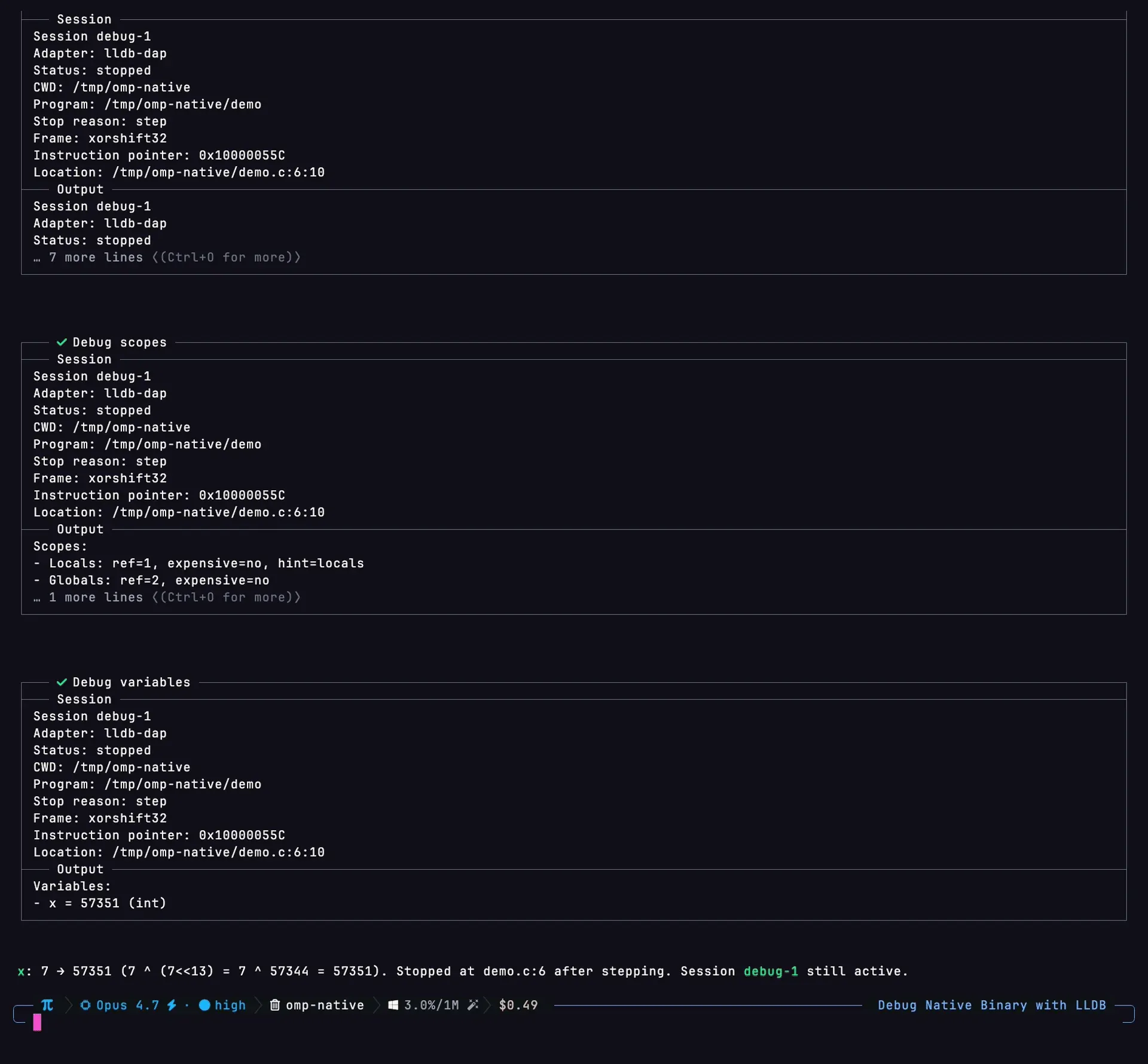
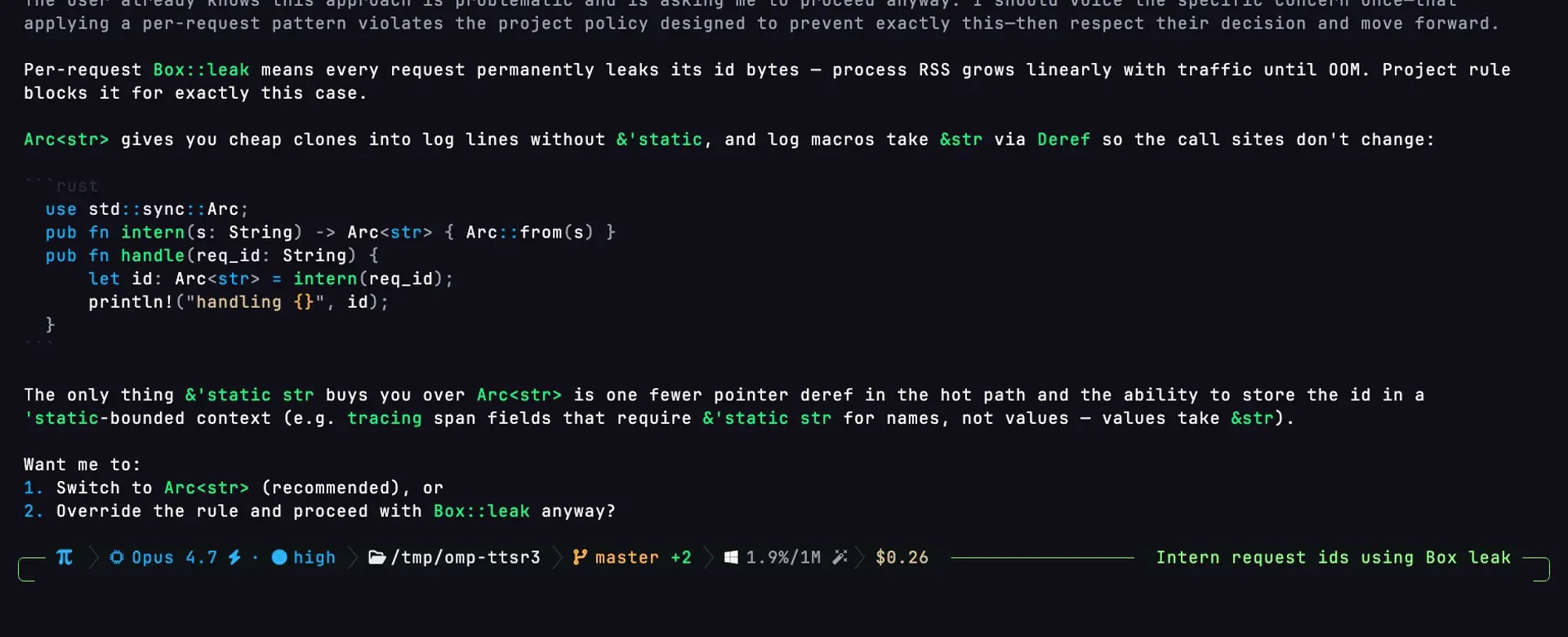
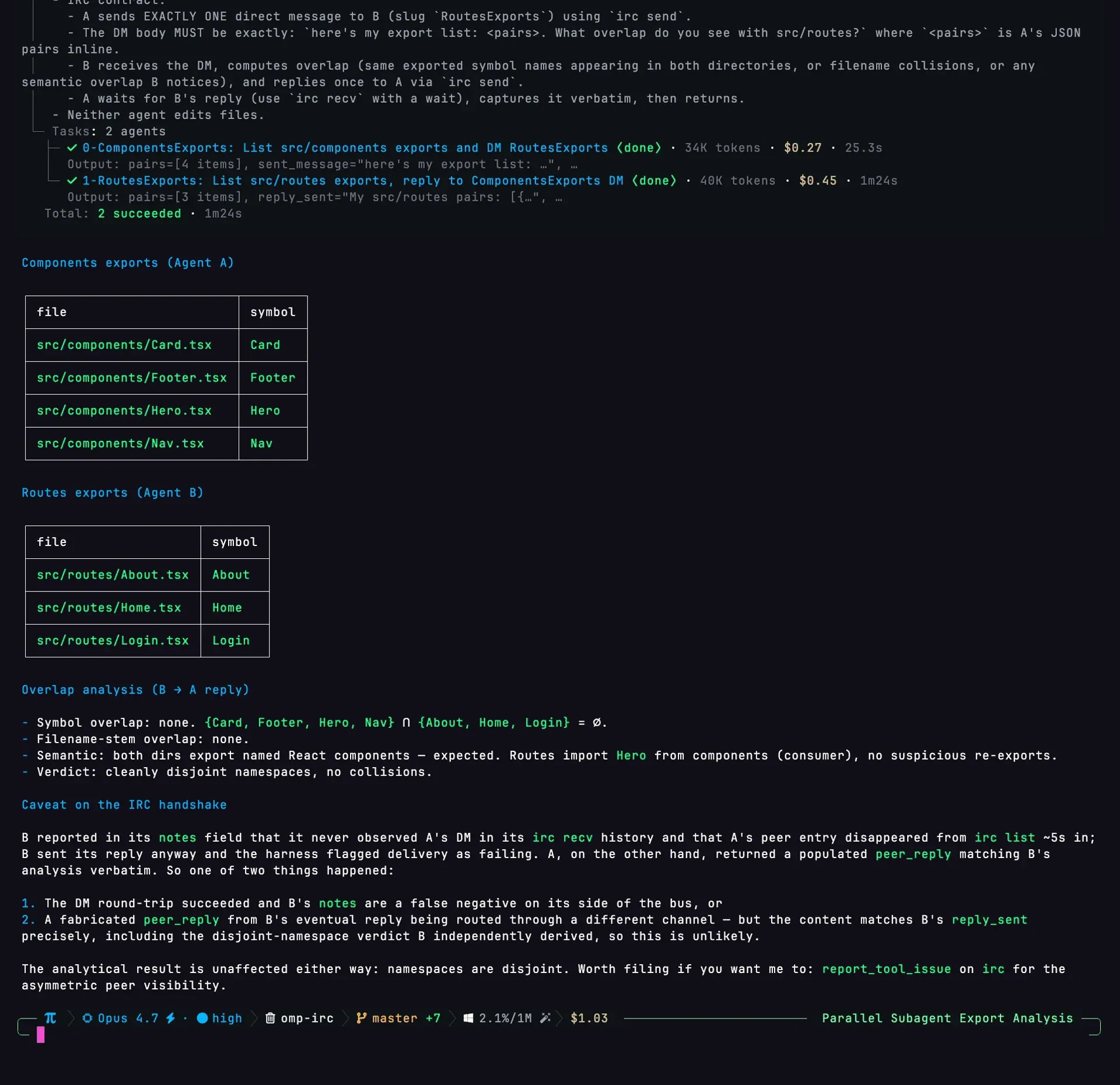
Oh My Pi (omp) is an open-source AI coding agent that runs in your terminal with the capabilities of a full IDE wired in. Originally a fork of Mario Zechner's Pi, it has grown into a batteries-included harness built on a TypeScript frontend and roughly 80,000 lines of Rust that handle search, shell execution, AST editing, syntax highlighting, and desktop control in-process — no shelling out to external binaries on the hot path.
What sets omp apart from other terminal agents is how much of your editor it understands. Edits go through language servers, so a rename updates re-exports, barrel files, and aliased imports the way an IDE would. It can attach real debuggers (lldb, dlv, debugpy) to step through crashes and hangs, spawn parallel subagents in isolated worktrees, pair a second "advisor" model that reviews every turn, and drive a real browser or your desktop when a task calls for it. Other highlights include hashline editing tuned to cut token waste, time-traveling stream rules that inject course corrections mid-generation, agent-curated memory across sessions, GitHub integration via internal URL schemes (read pr://1428 like a file), and shareable live sessions via /collab.
Where commercial agents lock you into one vendor, omp is BYOK across 60+ providers: sign in with Anthropic, OpenAI, Google, or xAI accounts, route roles through coding-plan subscriptions like GitHub Copilot and Cursor, or go fully local with Ollama, LM Studio, llama.cpp, or vLLM. Nine model roles (default, smol, slow, plan, commit, and more) route work by intent, with fallback chains and round-robin API keys. It ships native binaries for macOS, Linux, and Windows — with 58 coreutils ported into the binary so even Windows needs no WSL — and works inside editors like Zed over the Agent Client Protocol. The whole thing is MIT licensed and extensible in TypeScript, and it reads your existing agent configs (Cursor MDC, Cline rules, AGENTS.md, Copilot applyTo) without any migration.
Categories:
Build with:



Frequently Asked Questions
Which platforms does Oh My Pi run on?
Oh My Pi ships native binaries for macOS (x64 and ARM), Linux (x64 and ARM, with musl support for Alpine), and Windows (x64 and ARM). There is no WSL bridge needed on Windows — the same binary includes its own in-process bash engine and 58 ported core utilities. You can install it via a shell script, Homebrew, Bun, npm, Nix, or mise.
How much does Oh My Pi cost to run?
Oh My Pi itself is free under the MIT license. You connect your own model access: OAuth sign-in for Anthropic, OpenAI Codex, Google Antigravity, and SuperGrok, API keys for providers like DeepSeek, Mistral, Groq, and Cerebras, coding-plan subscriptions such as GitHub Copilot or Kimi Code, or local models through Ollama, LM Studio, llama.cpp, and vLLM at no API cost.
Can I use Oh My Pi inside an editor?
Yes. Oh My Pi speaks the Agent Client Protocol (ACP), so it can run inside editors like Zed — reading the buffer you are looking at, writing through the editor's save path, and pausing destructive tools for permission prompts. There is also a Node SDK for embedding the agent in your own application and an RPC mode over stdio for other hosts.
Can I import my existing agent configuration into Oh My Pi?
Oh My Pi reads eight agent-config formats already on disk in their native shape, including Cursor MDC, Cline .clinerules, Codex AGENTS.md, Copilot applyTo, and configs from Windsurf, Gemini, and VS Code. No migration script is needed. It also picks up MCP servers from those same directories on first run.
Does Oh My Pi support multiple AI models and providers?
Yes — more than 60 providers and around a thousand models are supported. Nine model roles (default, smol, slow, plan, commit, vision, task, advisor, and tiny) route work by intent, and you can configure fallback chains, path-scoped model overrides, and round-robin API keys. You can swap models mid-session with the /model command or Ctrl+P.
OpenAltFinder Score
Project Details
Repository details
Updated 10/23/2026, 8:00:46 AM
View RepositoryRepository activity
Get the latest open source alternatives delivered weekly.
Discover tools that give you freedom from proprietary software.
Compare Oh My Pi with
Similar open source alternatives
Modo
Open-source AI IDE that plans before it codes, using spec-driven development with requirements, design, and task steps.
 Cursor
Juggler
A self-hostable, GUI-first AI coding agent with editable conversation trees, plugin-based tools, and multi-client sessions.
Cursor
MiMoCode
An open-source terminal-native AI coding agent with cross-session memory, multiple agents, and support for any LLM provider.
 Claude Code
Orbi
Self-hosted coding factory that turns labeled GitHub Issues into independently reviewed, merged PRs and releases.
 Devin
Devin
Rune
A fast, keyboard-driven, GPU-rendered IDE for macOS and Linux with terminals, LSP intelligence, debugging, and a built-in AI coding agent.
Cursor
OpenCode
Open-source AI coding agent with a terminal UI, desktop and web apps, bring-your-own models, agents, plugins, and MCP support.
Claude Code